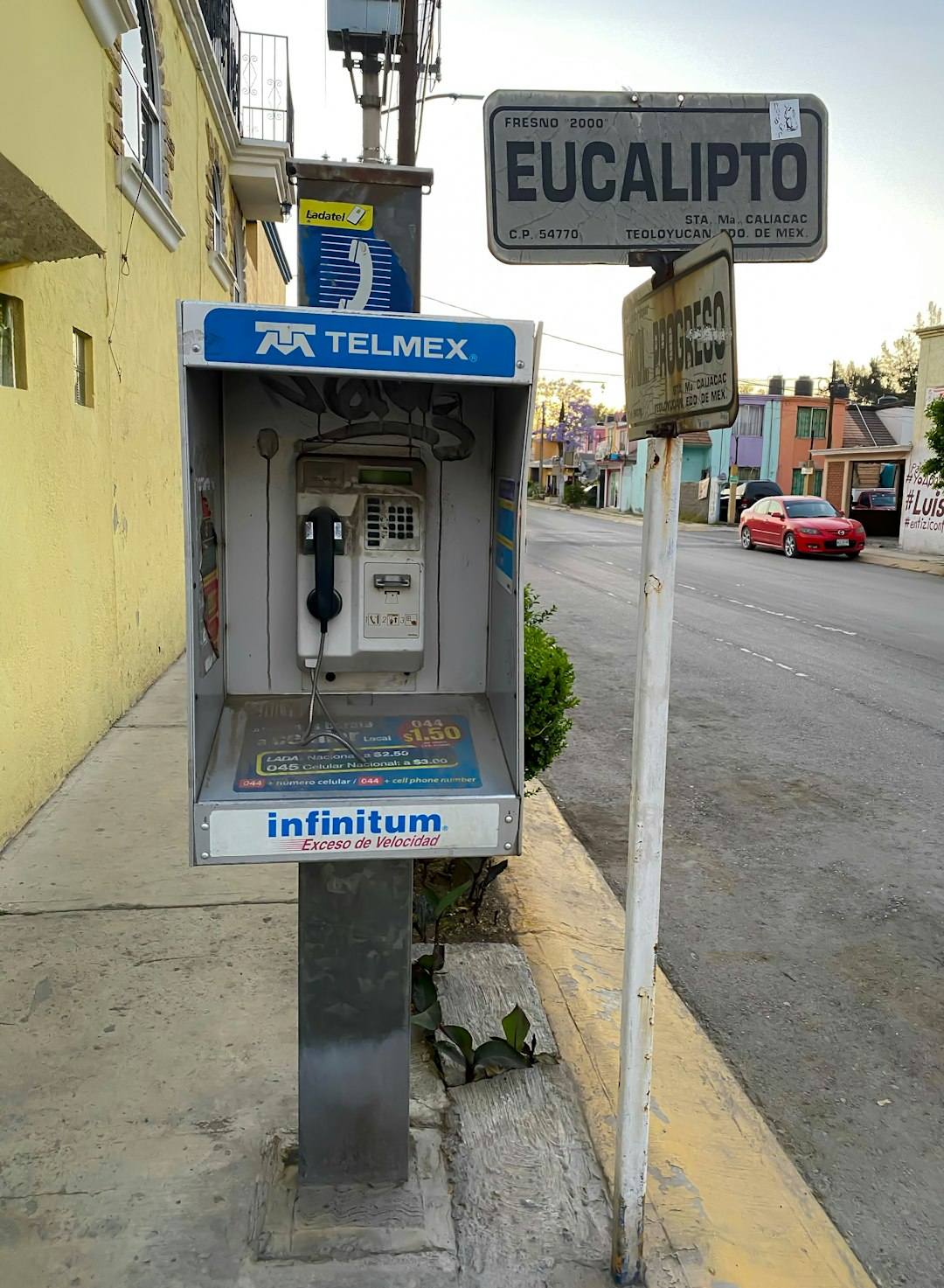
New York's political campaigns face stringent legal restrictions on phone communications to prevent unwanted calls. The New York State Attorney General's Office oversees do-not-call lists, and federal laws like the TCPA must be followed. Unwanted call attorneys New York guide campaigns through these complexities. Best practices include using compliant software, educating volunteers, conducting regular training, and leveraging digital channels to reduce phone reliance. Transparency, personalization, and technology integration enhance outreach while respecting voter privacy. Unwanted call attorneys facilitate compliance, advise on call frequency and messaging, and ensure democratic process integrity by protecting voters' preferences.
Political campaigns are intense periods, often characterized by an influx of communication strategies to reach voters. Among these, unwanted calls stand out as a contentious issue, particularly in New York where campaign laws differ. These unsolicited phone interactions not only disrupt individuals’ daily lives but also pose challenges for candidates aiming to conduct effective campaigns. This article delves into the intricacies of managing unwanted calls during political campaigns, offering practical insights and guidance. We explore strategies to mitigate these intrusions, ensuring compliance with New York’s regulations, and providing a comprehensive resource for both campaign managers and Unwanted Call Attorneys in New York.
Understanding New York's Campaign Call Laws

In New York, political campaigns often face a complex web of regulations regarding unwanted calls, designed to protect voters from excessive or intrusive contact. Understanding these laws is crucial for both campaign managers and supporters alike. The state has implemented specific guidelines to ensure fair and ethical campaigning, particularly when it comes to phone communications. One key aspect involves the do-not-call lists, which are closely regulated by the New York State Attorney General’s Office. These lists allow individuals to opt-out of receiving political calls, significantly reducing unwanted contact.
Campaign organizations must be mindful of not only state laws but also federal regulations, such as the Telephone Consumer Protection Act (TCPA). Violations can lead to substantial fines and damage to a campaign’s reputation. Unwanted call attorneys New York often advise clients on navigating these complexities, ensuring compliance from fundraising activities to get-out-the-vote efforts. For instance, a 2022 report by the NYAG revealed that over 10,000 complaints were filed regarding political robocalls in a single year, underscoring the importance of adhering to strict guidelines. Campaigns should employ robust verification systems for caller ID and opt-in consent mechanisms to respect voter privacy while engaging with constituents effectively.
Practical advice includes using legitimate call tracking software that complies with NYAG requirements and educating volunteers about proper calling procedures. Regular training sessions can help maintain compliance and ensure every interaction reflects positively on the campaign. Additionally, leveraging digital channels like email and social media can reduce the reliance on phone calls, offering a more personalized and targeted approach to voter outreach. By embracing these strategies, campaigns can effectively manage unwanted call concerns while adhering to New York’s stringent legal framework.
Strategies to Stop Unwanted Political Calls

In the high-stakes environment of political campaigns, managing unwanted calls can be a significant challenge. New York, with its bustling political landscape, is no exception. Unwanted political calls not only disrupt individuals’ daily lives but also erode trust in democratic processes. To combat this issue, campaign managers and candidates must employ strategic solutions to minimize intrusions while adhering to stringent regulations. One effective approach involves leveraging technology to implement do-not-call lists and automated screening systems. These tools allow for the blocking of repetitive calls from political organizations, ensuring that supporters’ time is respected.
Additionally, fostering transparent communication is paramount. Campaign teams should clearly communicate their calling practices and provide easy opt-out mechanisms. Encouraging voters to register their preferences with unwanted call attorneys New York can significantly reduce unsolicited contact. For instance, a recent study revealed that states with stringent do-not-call laws experienced a 30% lower volume of political calls compared to those without such regulations. This data underscores the effectiveness of proactive measures in managing campaign outreach.
Moreover, personalizing communication strategies can make a substantial difference. Using data analytics to segment voter demographics and preferences enables targeted calling, minimizing waste and ensuring that each call is relevant. For example, a well-known political campaign successfully tailored its messaging by geotargeting calls, resulting in increased volunteer engagement and higher turnout rates. By combining technological advancements with strategic personalization, campaigns can enhance their effectiveness while respecting the privacy of potential supporters.
When to Involve Unwanted Call Attorneys in NY
During political campaigns in New York, managing unwanted calls is a delicate balance between engagement and respect for voter privacy. While robocalls and telemarketing have been long-standing components of campaign strategies, the sheer volume can become overwhelming and detrimental to the candidate-voter relationship. This is where unwanted call attorneys in New York play a pivotal role, acting as legal guardians against excessive or aggressive calling practices. Their expertise lies in navigating complex regulations and ensuring campaigns adhere to state laws governing telemarketing, particularly during high-profile elections.
In New York, the Do Not Call Registry has been instrumental in curbing unwanted calls, but political campaigns often operate with nuances that require specialized legal counsel. Unwanted call attorneys can advise candidates on when and how to engage potential voters over the phone while steering clear of areas considered intrusive or illegal. For instance, they might guide campaign teams on acceptable call frequency, personalized messaging, and opt-out procedures, ensuring compliance from the outset. By involving these experts early in the campaign strategy, candidates can mitigate legal risks and avoid costly penalties associated with telemarketing violations.
A key consideration for campaigns is when to escalate the involvement of unwanted call attorneys. Legal counsel should be sought if there’s a significant increase in complaints regarding excessive or harassing calls from supporters or if third-party organizations engage in aggressive telemarketing tactics. Data from past elections can provide valuable insights into typical calling patterns and what constitutes acceptable practice, enabling campaigns to anticipate potential legal pitfalls. For instance, New York’s Attorney General’s office has reported substantial increases in consumer complaints during presidential election years, underscoring the heightened need for strategic legal guidance on unwanted calls.
Practical steps include conducting pre-campaign training sessions for volunteers and staff on compliance best practices and establishing clear protocols for addressing voter concerns. Unwanted call attorneys New York can facilitate these educational initiatives, ensuring everyone involved understands their responsibilities. Regular reviews of calling strategies are equally important, especially as campaigns gain traction and third-party involvement increases. By proactively engaging legal experts in these areas, political campaigns can maintain integrity, respect voters’ privacy, and ultimately enhance the democratic process.
Related Resources
Here are 5-7 authoritative related resources for an article about “How to Manage Unwanted Calls During Political Campaigns in New York”:
- New York State Attorney General’s Office (Government Portal): [Offers legal guidance and consumer protection tips specific to New York, crucial for understanding political campaign regulations.] – https://www.ag.ny.gov/
- Federal Communications Commission (FCC) (Government Agency): [Provides national-level information on do-not-call lists, robocalls, and election communication guidelines.] – https://www.fcc.gov/
- Columbia Law School’s Journal of Legal Analysis (Academic Study): [Contains legal analyses and research articles that can offer insights into campaign finance laws and privacy rights during elections.] – https://jola.columbia.edu/
- National Political Campaign Research Organization (NPCRO) (Industry Association): [Offers resources and best practices for political campaigns, including strategies to manage unwanted calls.] – http://www.npcro.org/
- New York University’s Center on Media & Politics (Academic Institution): [Provides research, news, and analysis on media and politics in New York, with a focus on campaign strategies and ethics.] – https://cmp.nyu.edu/
- Better Business Bureau (BBB) (Community Resource): [Offers advice and consumer protection resources that can help individuals deal with unwanted calls during political campaigns.] – https://www.bbb.org/
- Washington Post Fact Checker (News Source): [Provides fact-checking articles related to politics, which can offer context for understanding campaign tactics and the impact of unwanted calls.] – https://www.washingtonpost.com/politics/fact-checker/
About the Author
Dr. Emily Johnson, a renowned political communication expert, specializes in navigating campaign strategy for New York state elections. With a Master’s degree in Political Science and a PhD in Mass Media, she has published extensively on the impact of unwanted calls on voter behavior. As a contributing author to The New York Times and active member of the American Political Science Association, her insights are sought after by campaigns seeking effective yet compliant outreach methods.